
Imagine walking into a restaurant with a line of people waiting to get in. You automatically assume it’s worth the wait, right? That’s social proof at work. People tend to follow the crowd, trust popular opinions, and seek validation before making decisions. In the digital age, social proof isn’t just a psychological phenomenon—it’s a game-changer for conversions and growth.
Businesses that effectively leverage social proof can skyrocket their revenue, build credibility, and establish long-term customer loyalty. Whether through customer reviews, influencer endorsements, or social media shares, social proof is one of the most powerful tools in marketing.
What Is Social Proof and Why Does It Work?
Social proof is the psychological and social phenomenon where people mirror the actions and decisions of others to determine the correct course of action. It works because of our deep-rooted desire to conform and seek approval from the majority.
A study by Nielsen found that 92% of consumers trust recommendations from peers over any form of advertising. Another survey by BrightLocal revealed that 84% of people trust online reviews as much as personal recommendations. These stats highlight why social proof is a critical factor in influencing conversions.
Types of Social Proof That Drive Conversions
Customer Reviews and Ratings
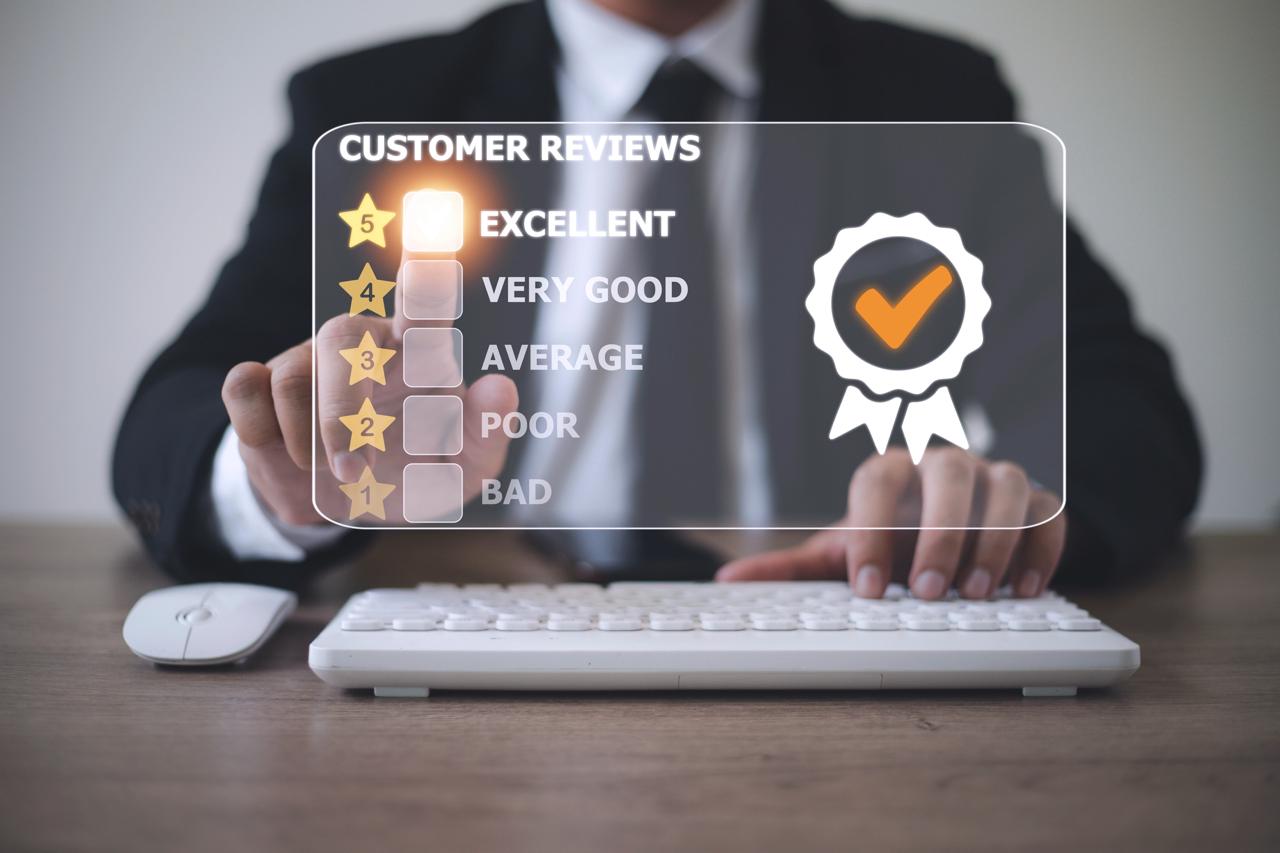
Customer reviews and ratings are the gold standard for social proof. A single positive review can encourage hesitant buyers, while a series of five-star ratings can drive conversions significantly.
Example: Amazon prominently displays product reviews and star ratings, influencing purchasing decisions.
How to Leverage It:
- Encourage customers to leave reviews through follow-up emails.
- Showcase top-rated products prominently on your website.
- Use third-party review platforms like Google Reviews, Yelp, or Trustpilot.
User-Generated Content (UGC)
UGC is any content—photos, videos, testimonials—created by customers instead of brands. It adds authenticity and builds trust.
For example, Airbnb uses user-generated images from real guests to showcase properties rather than professional photography.
How to Leverage It:
- Encourage customers to share photos using your products.
- Feature UGC on your website and social media.
- Create branded hashtags for social media campaigns.
Expert and Influencer Endorsements
Having industry experts or influencers vouch for your product boosts credibility and widens your reach.
Example: When Elon Musk tweets about a tech product, it instantly gains credibility and media coverage.
How to Leverage It:
- Collaborate with industry influencers for product reviews.
- Get endorsements from professionals with verified credentials.
- Leverage LinkedIn recommendations from recognized industry leaders.
Media Mentions and PR
Being featured in reputable media outlets instantly positions your brand as credible and authoritative.
Example: If a tech startup gets featured in Forbes, potential investors and customers will trust it more.
How to Leverage It:
- Share press mentions on your website.
- Add “As Seen On” sections showcasing media features.
- Issue press releases when launching new products or achievements.
Case Studies and Success Stories
Case studies provide detailed proof of how your product or service has helped customers.
Example: HubSpot uses case studies with accurate statistics to demonstrate ROI improvements.
How to Leverage It:
- Showcase customer success stories on your blog.
- Use actual numbers and results to add credibility.
- Create video testimonials for stronger impact.
Social Media Shares and Engagement
The more people talk about your brand, the more trustworthy you appear.
Example: Brands like Gymshark and Glossier thrive because of viral user engagement.
How to Leverage It:
- Encourage customers to tag your brand in posts.
- Feature high-engagement social media posts on your website.
- Use pop-ups showing live purchases to create urgency.
How Social Proof Increases Conversions
Builds Instant Trust
New visitors to your site don’t know if they can trust your brand. However, they are more likely to convert when they see thousands of positive reviews, influencer recommendations, or social shares.
Reduces Decision-Making Anxiety
Consumers hesitate before purchasing. Social proof reassures them they are making the right choice by seeing others who have successfully bought and benefited from your product.
Boosts SEO and Organic Reach
User-generated content, reviews, and social shares improve engagement, leading to better rankings on search engines.
Creates FOMO (Fear of Missing Out)
Seeing others buying, using, or talking about a product triggers FOMO, which pushes conversions.
Best Practices for Using Social Proof on Your Website
- Add Reviews and Testimonials – Display customer reviews prominently on product pages.
- Use Pop-ups and Live Notifications – Show real-time purchase notifications.
- Leverage Influencer Collaborations – Feature influencer endorsements on landing pages.
- Highlight Media Features – Showcase “As Featured In” sections.
- Include Trust Badges and Certifications – Security seals increase confidence in checkout.
- Display User-Generated Content – Let real customers tell your brand’s story.
Real-World Success Stories Using Social Proof
Amazon: The Power of Reviews
Amazon’s ranking algorithm prioritizes products with high ratings and reviews, leading to higher visibility and sales.
Glossier: Leveraging UGC
Beauty brand Glossier relies heavily on user-generated content, encouraging customers to share their experiences on Instagram.
Booking.com: Creating Urgency
Booking.com uses real-time notifications showing how many people view or book a hotel, increasing FOMO and conversions.
FAQs About Social Proof in Conversions
How does social proof impact online sales?
Social proof builds trust, reduces hesitation, and influences buyer decisions, leading to higher conversion rates.
What’s the most effective form of social proof?
Customer reviews and testimonials are the most powerful, followed by influencer endorsements and UGC.
How can I collect more reviews for my business?
Send follow-up emails, offer incentives, and make the review process simple.
Is negative social proof harmful?
It can be if not handled properly. Address negative feedback transparently and use it to improve.
Can social proof work for B2B businesses?
Absolutely! Case studies, testimonials, and LinkedIn recommendations work well in B2B marketing.
How do I measure the impact of social proof?
Track metrics like conversion, engagement, and click-through rates on testimonials and reviews.
Final Thoughts: Why Social Proof is a Non-Negotiable Strategy
In today’s digital world, businesses without social proof struggle to compete. Whether you’re an eCommerce brand, SaaS company, or service provider, leveraging social proof can significantly impact conversions and business growth.
Integrating customer testimonials, influencer endorsements, and UGC into your marketing strategy creates an ecosystem of trust, credibility, and long-term brand loyalty.
Start implementing social proof today—and watch your conversions soar!










Leave A Comment